
Los Angeles, CA — With just a few years to go until the 2028 Summer Olympics, the City of Angels is steadily preparing to welcome the world for one of the most anticipated sporting events of the decade. From venue planning and infrastructure upgrades to ticketing announcements and athlete storylines, Los Angeles is positioning itself to deliver a modern, sustainable, and unforgettable Olympic Games.
A Global Event Returns to Los Angeles
The LA28 Olympic Games will take place from July 14 to July 30, 2028, followed by the Paralympic Games from August 15 to August 27. This marks Los Angeles’ third time hosting the Summer Olympics, following the 1932 and 1984 Games, further cementing the city’s legacy as a global sports capital.
Organizers aim to showcase Los Angeles’ diversity, innovation, and existing world-class infrastructure while minimizing new construction and environmental impact.
Ticket Sales and Fan Access
Officials have announced that ticket registration for the Olympic and Paralympic Games will open in stages, allowing fans worldwide to register interest ahead of official sales. A range of ticket options and price tiers is expected, with organizers emphasizing transparency and accessibility for spectators.
Unlike some recent global sporting events, LA28 has confirmed that ticket pricing will avoid dynamic or demand-based models, aiming instead to keep prices predictable and fair for fans.
Iconic Venues Across Southern California
One of the defining features of LA28 is its use of existing and iconic venues across Los Angeles and nearby cities:
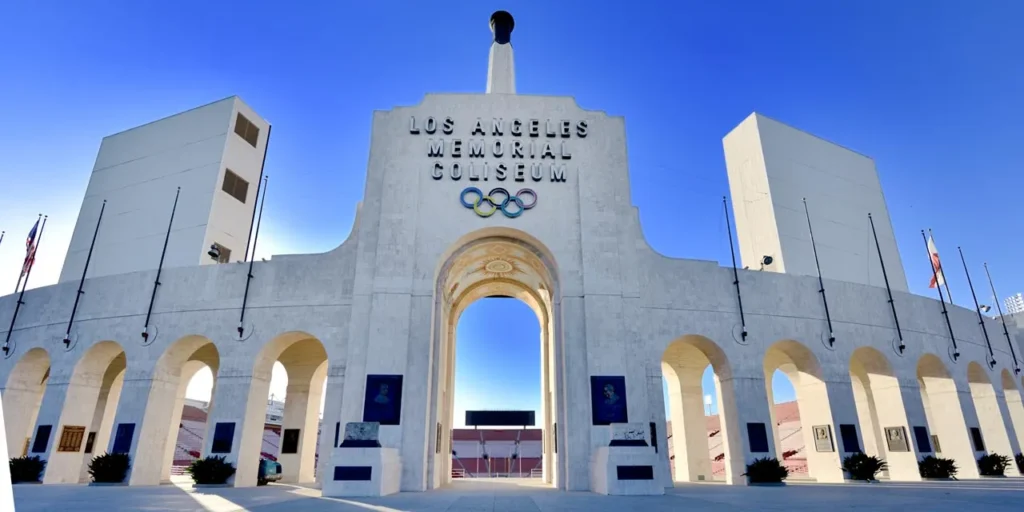
The Los Angeles Memorial Coliseum and SoFi Stadium will share hosting duties for the opening and closing ceremonies, symbolizing the blend of tradition and modern innovation.
SoFi Stadium will also host Olympic swimming events following the opening ceremony, a first in Olympic history.
The Intuit Dome will stage basketball competitions, while beach volleyball and water sports will take place in Long Beach.
Football finals are set for the historic Rose Bowl in Pasadena.
By spreading events across the region, organizers aim to reduce congestion, highlight Southern California’s landmarks, and deliver a unique fan experience.
Economic Impact and City Challenges
Economic forecasts suggest the 2028 Olympics could generate billions of dollars in economic activity for the region, benefiting tourism, hospitality, transportation, and local businesses. Job creation and international exposure are expected to be among the long-term gains.
At the same time, preparations have brought attention to challenges such as security planning, public transportation capacity, and budget oversight. City officials and organizers continue to balance large-scale Olympic preparations with community needs and long-term urban planning.
Athletes and Competition Storylines
Even years before the opening ceremony, the 2028 Games are already shaping athlete narratives worldwide. Several veteran competitors have announced comeback plans with Los Angeles as their target, while younger athletes are beginning their Olympic qualification journeys.
LA28 will also introduce scheduling innovations, including track and field events opening the Games ahead of swimming, a change designed to maximize global viewership and stadium engagement.
A Defining Moment for Los Angeles
The 2028 Olympic Games represent more than a two-week sporting event. For Los Angeles, they offer an opportunity to showcase sustainability, cultural diversity, and innovation on the world stage. For athletes and fans, LA28 promises dramatic competition, iconic backdrops, and a celebration of global unity through sport.
As preparations continue, anticipation is building for a Games that could redefine how the Olympics are hosted in modern cities.